Buying Standing Timber

Standing timber buyers for pine, softwood, and select Michigan woodlots.

Cherry Creek Forestry reviews standing timber for landowners who want a fair offer, a clear process, and a harvest plan that respects access, timing, and the future condition of the stand.

Standing Timber Buyers

Why Sell Your Standing Timber to Cherry Creek Forestry?

Selling standing timber is not just a price decision. A landowner also needs to understand how the stand will be evaluated, how equipment will access the property, what type of harvest is being proposed, and what the site should look like afterward.

Cherry Creek Forestry focuses on practical, on-site review for pine and other softwood stands, with clear communication before any harvest plan moves forward.
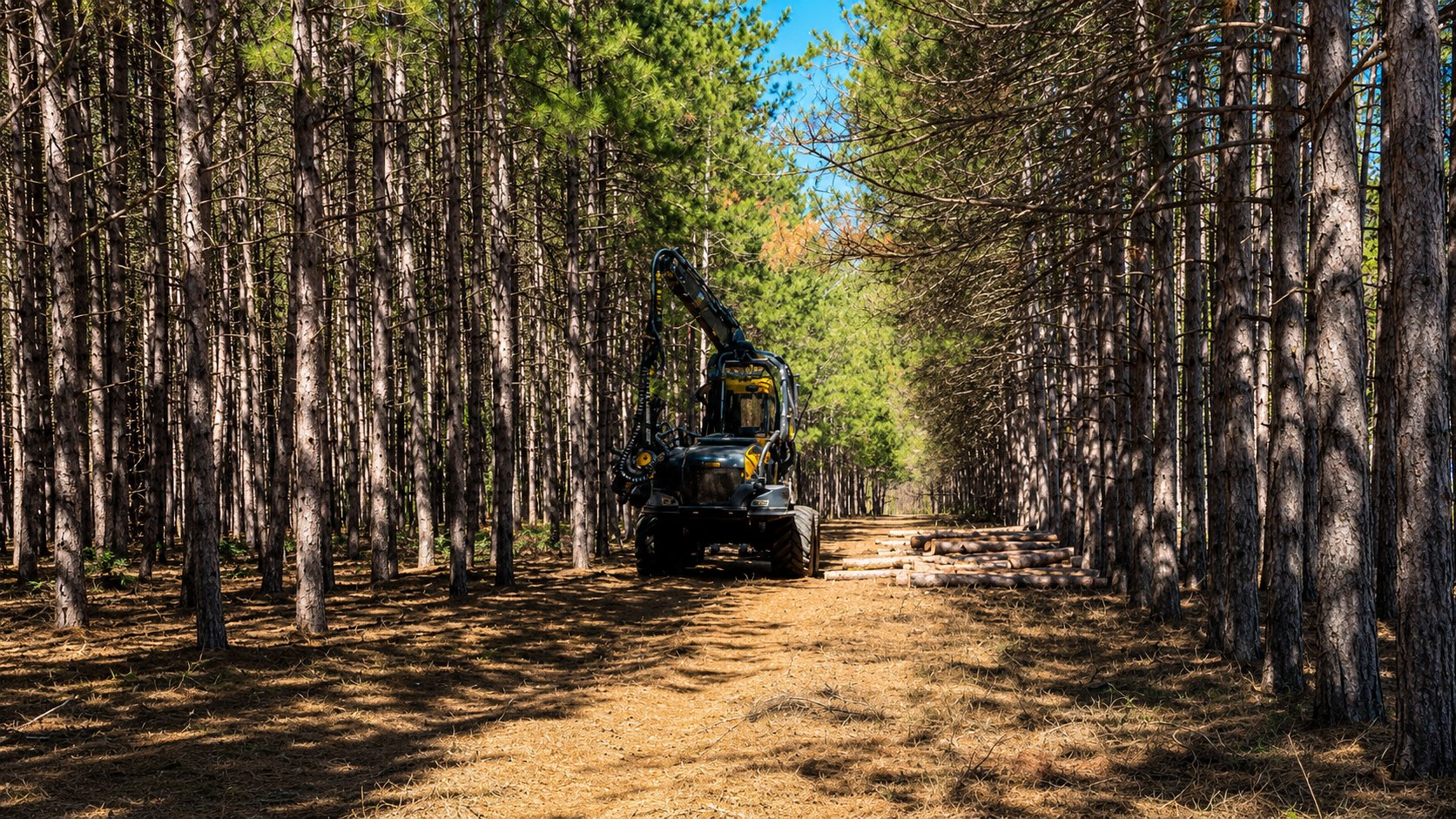
Forestry equipment working through a managed pine stand

How We Evaluate

What landowners should understand before selling timber

On-Site Timber Evaluation

Every stand is different. Timber value depends on species, size, quality, volume, spacing, access, terrain, market conditions, and the amount of work required to harvest safely and efficiently.

An on-site estimate helps answer the questions that photos alone cannot: where equipment can enter, where timber can be staged, how wet or steep the ground is, and whether the stand is better suited for thinning, selective harvest, or another approach.

A Clear Offer and Harvest Plan

When a property is a good fit, Cherry Creek Forestry explains the offer, the harvest approach, expected timing, and access considerations. The goal is to make sure the landowner understands what is being purchased and how the work is expected to happen.

  • Property and stand review
  • Species and volume evaluation
  • Access and landing area planning
  • Harvest method recommendation
  • Clear next steps before work begins

Sustainable Stand Management

A good timber sale should create value now without ignoring the condition of the remaining stand. In pine rows and dense conifer stands, thinning or selective harvesting can reduce competition, improve access, and give retained trees more room to grow.

Slash, tops, limbs, and site conditions should also be discussed before work starts. Depending on the property, some woody material may remain on site to protect soil, return nutrients, or support wildlife habitat.

Timber We Review

Kinds of Timber We Review

The current work profile is softwood-forward, especially pine and other conifer stands. Cherry Creek Forestry can review a property and determine whether the timber, access, and acreage make sense for purchase.

Red PineWhite PineSpruceCedarFirMixed SoftwoodsAspen / PoplarSelect Mixed Woods

Red Pine and Planted Pine Rows

Planted pine rows are often strong candidates for review because spacing, access lanes, and stand density can make thinning practical. Periodic thinning can remove marketable trees while supporting the health and growth of the remaining stand.
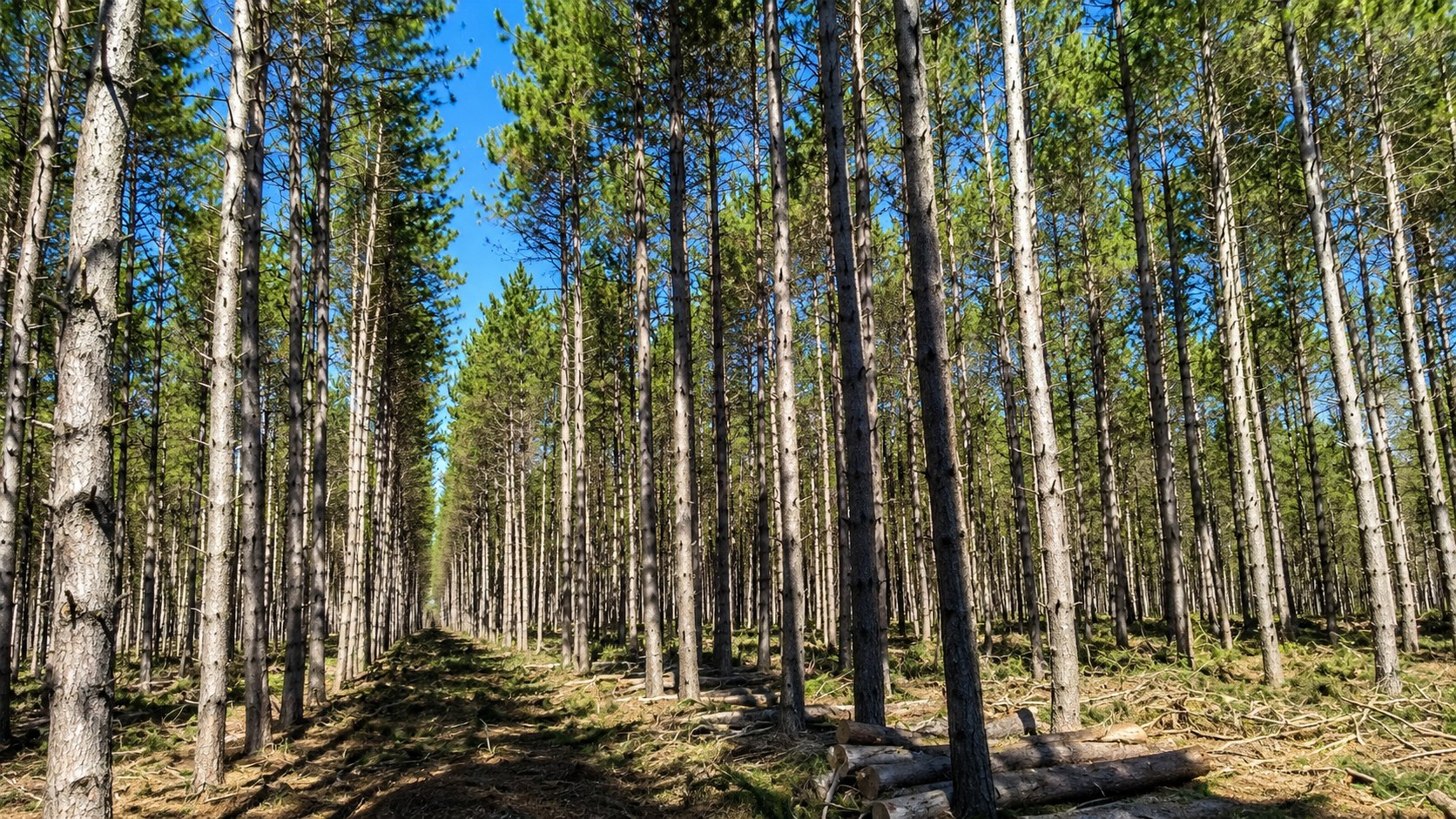
Rows of pine trees in a managed softwood stand

Other Softwoods and Mixed Timber

Spruce, cedar, fir, and mixed conifer stands may also be worth reviewing. Value depends heavily on access, stem quality, total volume, and whether the stand can be harvested efficiently without creating unnecessary site damage.

Mixed woods and aspen may be considered when they are part of a larger workable stand or when market conditions make the harvest practical.

Start the Review

What To Send First

Use the evaluation form to send your name, phone, email, property address or parcel location, approximate acreage, and a short note about the timber. If you have photos of the stand, rows, trails, field edge, or access road, those can help with the first review.

Request a Timber Evaluation